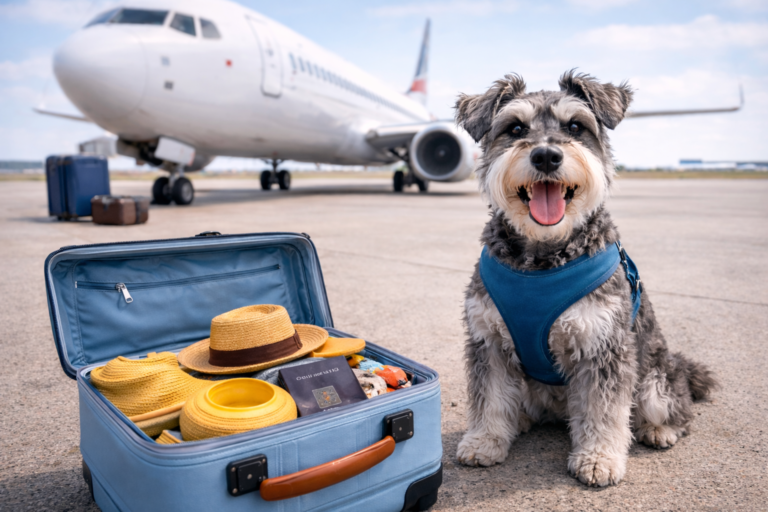

How to Plan a Road Trip With Your Dog: A Complete Guide
Planning a road trip with your dog can be a fun way to explore new places together. With a little preparation, you can make the journey safer, more comfortable, and less stressful for both you and your dog.
From choosing the right travel equipment to planning regular breaks, this guide covers the essential steps for a successful road trip with your furry companion.
Important: Pet travel requirements can vary by state, destination, and country. Always check the latest rules for your specific trip and speak with your veterinarian when appropriate. (CDC)
1. Prepare Your Dog Before the Trip
If your dog isn’t used to long car rides, don’t wait until the day of the trip to introduce them to the experience.
Start with short drives and gradually increase the distance. This can help your dog become more comfortable with being in the car. (CDC)
You can also bring a familiar blanket or toy to make the car feel more comfortable.
If your dog experiences severe motion sickness or anxiety, talk to your veterinarian before the trip rather than giving your dog medication on your own.
2. Visit the Veterinarian if Necessary
Before a long trip, make sure your dog’s vaccinations and preventive care are up to date.
It’s also a good idea to make sure your dog’s identification information is current. The CDC recommends microchipping pets and keeping contact information updated. (CDC)
If you’re crossing state lines or traveling internationally, check the requirements for your destination well before leaving. Some destinations may require specific vaccinations, certificates, or other documentation. (CDC)
3. Choose a Safe Way for Your Dog to Travel
Your dog shouldn’t be allowed to freely move around the vehicle while you’re driving.
For dogs riding in the back seat, the CDC recommends using a harness attached to the seat buckle. If you use a crate, it should be large enough for your dog to stand, sit, lie down, and turn around comfortably, and it should be secured so it doesn’t slide when the vehicle stops. (CDC)
Avoid allowing your dog to ride in the front passenger seat when an airbag is present, and never let your dog sit on your lap while you’re driving. (ebusiness.avma.org)
4. Create a Dog Road Trip Packing List
Before leaving, prepare a dedicated travel bag for your dog.
Essential items include:
- Food and treats
- Plenty of drinking water
- Food and water bowls
- Leash and collar
- Waste bags
- Harness or travel crate
- Familiar blanket or toy
- Medications, if prescribed
- Basic pet first-aid supplies
- Grooming supplies
- Vaccination and travel documents
- Updated identification information
The CDC specifically recommends bringing food, water, a bowl, leash, waste bags, medication or first-aid supplies, grooming supplies, and relevant travel documents. (CDC)
Tip: Pack a little more food and water than you expect to need in case your journey takes longer than planned.
5. Plan Regular Breaks
Long car rides can be tiring for dogs.
Plan regular stops where your dog can safely:
- Go to the bathroom
- Stretch their legs
- Drink water
- Take a short walk
- Relax for a few minutes
Choose safe areas away from heavy traffic and keep your dog on a leash.
Frequent stops are recommended for dogs traveling long distances. (CDC)
6. Don’t Let Your Dog Hang Its Head Out the Window
Many dogs love sticking their heads out of the car window, but it isn’t a safe habit.
Flying debris can injure a dog’s eyes, ears, or nose, and an unsecured dog can potentially fall or jump from the vehicle. (ebusiness.avma.org)
Instead, keep your dog safely secured inside the vehicle while allowing them to enjoy the scenery from a safe position.
7. Never Leave Your Dog Alone in a Parked Car
This is one of the most important rules of traveling with a dog.
Never leave your dog alone inside a parked vehicle.
Temperatures inside a vehicle can rise rapidly, even when the weather doesn’t initially feel extremely hot. Cold weather can also create dangerous conditions for animals. (CDC)
If you need to stop somewhere that doesn’t allow dogs, make alternative arrangements rather than leaving your dog in the car.
8. Plan Dog-Friendly Stops and Accommodations
Before your trip, research places where dogs are allowed.
Look for:
- Dog-friendly hotels
- Pet-friendly restaurants with outdoor seating
- Parks and walking areas
- Dog-friendly attractions
- Veterinary clinics along your route
- Rest stops where pets can safely take a break
Don’t assume that a hotel, park, or attraction allows dogs. Check its current pet policy before you arrive.
9. Keep Your Dog Safe at the Destination
Arriving at your destination doesn’t mean you can stop being cautious.
Keep your dog supervised and on a leash where appropriate. The CDC recommends preventing pets from interacting with unfamiliar animals, stray animals, and wildlife. (CDC)
If you’re visiting outdoor areas, check your dog for ticks after walks and avoid letting your dog drink from stagnant or discolored water. (CDC)
10. Save Important Information Before You Leave
Before starting your journey, save the contact information for:
- Your regular veterinarian
- An emergency veterinary hospital near your destination
- A local veterinarian along your route
- Your accommodation
- Any important travel or vaccination documents
Having this information ready can save valuable time if something unexpected happens.
Dog Road Trip Checklist
Before you leave, make sure you have:
☐ Food
☐ Water
☐ Bowls
☐ Leash
☐ Harness or secure crate
☐ Collar and identification
☐ Waste bags
☐ Medications
☐ First-aid supplies
☐ Familiar blanket or toy
☐ Grooming supplies
☐ Vaccination/travel documents
☐ Emergency veterinary contact
☐ Dog-friendly accommodation booked
Final Thoughts
A successful road trip with your dog is mostly about preparation.
Get your dog comfortable with car travel, use a safe restraint system, pack the essentials, plan regular breaks, and research your destination before you leave. Most importantly, never leave your dog unattended in a parked vehicle.
With the right preparation, the journey itself can become one of the best parts of your adventure together.
Ready to plan your next adventure? Pack the essentials, buckle up, and enjoy the road with your best friend.